


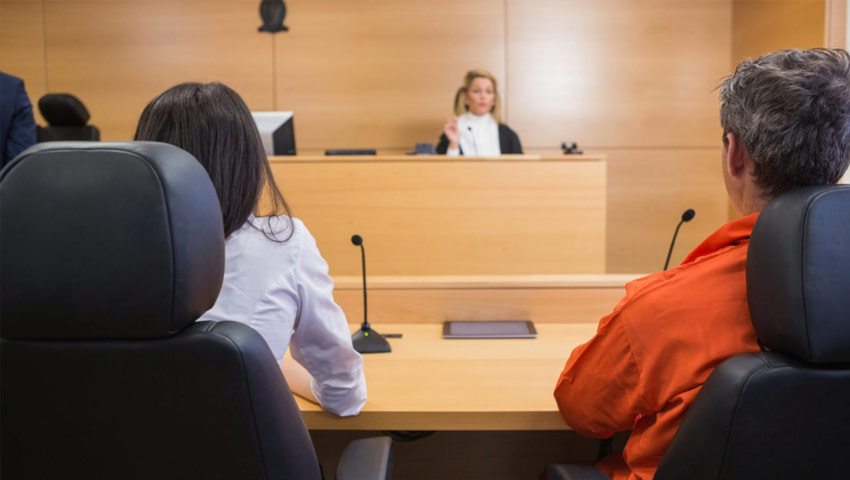

Navigating the juvenile justice system in Georgia can be a complex process, especially for those unfamiliar with its nuances. As juvenile lawyers in Georgia, our role is to advocate for the rights and future of young clients. Understanding the unique aspects of juvenile law is crucial for achieving positive outcomes.
In Georgia, juvenile law operates under a distinct set of rules and procedures compared to adult criminal law. This system aims to focus more on rehabilitation and less on punishment. Our expertise in this field allows us to guide families through each step, ensuring the young person involved receives fair representation.
We work closely with families to support and educate them about the legal issues their child may face, highlighting the importance of legal rights and responsibilities. By doing so, we aim to protect the future opportunities of our clients and present the best possible case in court. Learn more about Juvenile Lawyer Georgia
Understanding Juvenile Law in Georgia
Juvenile law in Georgia encompasses a comprehensive set of regulations and principles that address how individuals under 18 are treated in legal situations. It emphasizes rehabilitation over punishment and acknowledges the unique challenges faced by young offenders.
Key Principles of Juvenile Law
In Georgia, juvenile law is based on principles that prioritize rehabilitation. This approach recognizes that young people have the capacity for change. Our focus is on learning and development, rather than punishment.
Juvenile law differs from adult law, as it often provides more discretion to judges. Judges consider multiple factors, such as the age of the offender and their home environment. This flexibility helps tailor interventions to guide youth toward positive outcomes and integration into society.
Role of the Juvenile Courts
The juvenile courts in Georgia specialize in cases involving minors. They work separately from adult criminal courts, designed to be more lenient and supportive. Our juvenile courts ensure that young offenders receive fair treatment and that their unique needs are met.
The courts aim to protect the welfare of the minor while involving family and community resources. Judges, guardians, and social workers collaborate to determine the best path forward for the youth. These courts balance accountability with the goal of rehabilitation.
Juvenile Court Procedure
Juvenile court procedures in Georgia involve several steps tailored to the minor’s circumstances. Our process begins with an intake assessment to understand the child’s needs. If the case proceeds, a formal petition is filed, and a hearing is scheduled.
During the hearing, the prosecutor presents evidence, and the defense can argue their case. We frequently see a focus on behavioral corrections or community service, rather than incarceration. The procedures emphasize confidentiality, ensuring minors’ records are protected.
Delinquency and Juvenile Crimes
In Georgia, juvenile crimes range from minor offenses, such as theft, to more serious crimes, like assault. When addressing these issues, our courts assess whether the behavior is simply delinquency or falls into a pattern of criminal conduct.
Delinquency charges are less severe than adult charges, often resulting in probation or community programs. Serious offenses may involve detention or transfer to adult courts. Our aim is to facilitate rehabilitation and avoid lengthy incarceration or lifelong criminal records for young offenders.
Legal Representation for Juveniles
In Georgia, juveniles facing legal issues require knowledgeable representation to navigate the complexities of the legal system. Our discussion encompasses selecting a suitable juvenile lawyer, understanding the role of a family law attorney, and what to anticipate during free consultations.
Choosing a Juvenile Lawyer
Selecting the right juvenile lawyer is crucial to ensuring that a young client’s legal rights are protected. We should prioritize lawyers with specific experience in juvenile law, as they are familiar with the intricacies of the Georgia juvenile court system.
Reputation and experience count, but personal rapport also matters. A juvenile lawyer who can communicate effectively with both the child and the parents is essential. It is helpful to consider asking other parents or professionals for recommendations.
Tip: Always check a lawyer’s qualifications and track record in handling similar cases. A consultation can help assess their knowledge and approach. Professional associations like the Georgia Association of Criminal Defense Lawyers may offer additional resources for finding qualified attorneys.
The Role of a Family Law Attorney
Family law attorneys can play a significant role in cases involving juveniles. These professionals understand both parental rights and juvenile justice issues, making them invaluable in situations where family dynamics and legal issues intersect.
They provide guidance on how court proceedings might impact familial relationships and can assist with petitions related to custody or guardianship when needed. Experienced family law attorneys can help navigate cases involving juvenile adjudication, ensuring that all aspects of a young person’s life are considered.
In some cases, collaboration between a juvenile lawyer and a family law attorney may provide the best comprehensive approach to protecting a juvenile’s rights and interests.
What to Expect During a Free Consultation
During a free consultation, we can discuss the details of the juvenile’s case confidentially. This initial meeting typically involves a preliminary evaluation of the circumstances and an explanation of the legal process. Expect to hear about the possible outcomes and strategies tailored to the juvenile’s situation.
It’s also a chance for parents and the child to ask questions and understand the lawyer’s approach to defending or advocating for the juvenile in court. While the consultation is free, its value lies in gaining clarity about the path ahead and making informed decisions about legal representation. Always come prepared with a list of questions or concerns to make the most of this opportunity.